
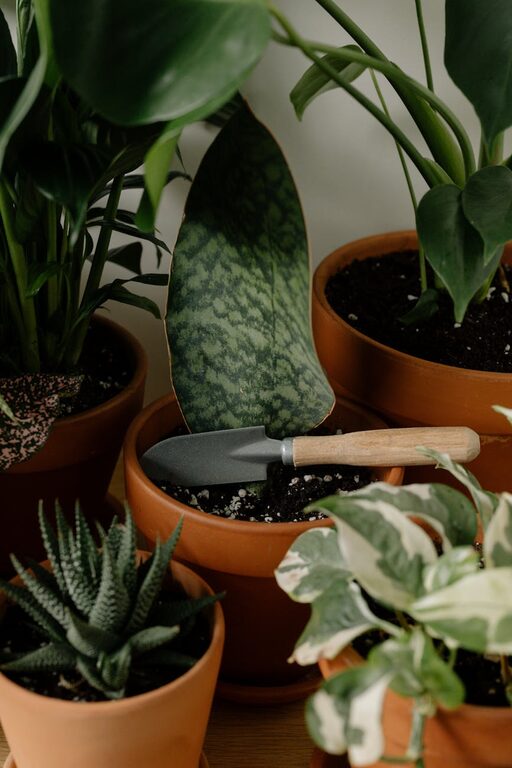
Bringing houseplants into your home is a wonderful way to add a touch of nature, improve air quality, and boost your mood. However, keeping those green companions healthy requires some know-how and a bit of attention. Whether you’re a beginner or have a few plants already, these tips will help your houseplants thrive all year round.
Understanding Your Plant’s Needs
Every plant species has unique requirements. Before purchasing a new plant, take some time to learn about its preferred light, water, and soil conditions.
Light Requirements
Plants vary in the amount and quality of light they need:
– Bright, direct light: Succulents and cacti love lots of sun.
– Bright, indirect light: Many tropical plants like pothos, philodendrons, and peace lilies prefer filtered sun.
– Low light: Some plants such as snake plants and ZZ plants tolerate low-light conditions.
Pay attention to how sunlight moves through your home and place plants accordingly.
Watering Habits
Overwatering is one of the most common causes of houseplant problems. Understanding your plant’s watering needs is essential:
– Check the soil moisture before watering. Most plants prefer dry soil between waterings.
– Use pots with drainage holes to avoid waterlogging.
– Adjust watering frequency depending on season, humidity, and temperature.
Choosing the Right Pot and Soil
Good drainage is vital to prevent root rot.
Pots
– Pick pots with drainage holes to allow excess water to escape.
– Terra cotta pots are breathable and help soil dry out faster, which is beneficial for many plants.
– Plastic pots retain moisture longer but can be useful for plants that like consistent moisture.
Soil
Use potting mixes suited to your plant’s type:
– Cacti and succulents need sandy, well-draining soil.
– Tropical plants thrive in peat-based or all-purpose potting soil.
Avoid using garden soil, as it can be too dense and may carry pests.
Proper Watering Techniques
Watering correctly can transform your plant’s health.
Tips for Watering:
– Water thoroughly until excess drains from the bottom.
– Avoid watering leaves directly to prevent fungal issues.
– Adjust water amounts with the seasons—plants usually need less water in winter.
Feeding Your Plants
Houseplants benefit from nutrients, especially during their growth period (spring and summer).
– Use a balanced, water-soluble fertilizer every 4-6 weeks.
– Follow label directions carefully to avoid over-fertilizing.
– Some plants have special nutrient needs—research before choosing fertilizer.
Managing Humidity and Temperature
Indoor environments are often drier than plants prefer, especially in winter.
Increasing Humidity
– Use a humidifier or place a water tray with pebbles near your plants.
– Group plants together to create a micro-humid environment.
– Mist leaves occasionally if your plant enjoys extra moisture.
Temperature Tips
– Keep plants away from drafts, heating vents, or cold windows.
– Most houseplants thrive in temperatures between 65°F and 75°F (18°C to 24°C).
– Avoid sudden temperature changes to prevent stress.
Preventing and Handling Pests
Pests like spider mites, aphids, and mealybugs can damage plants.
Pest Prevention:
– Inspect new plants before bringing them indoors.
– Keep plant leaves clean by wiping them gently with a damp cloth.
– Avoid overcrowding plants to encourage airflow.
Dealing with Infestations:
– Use insecticidal soap or neem oil as safe treatments.
– Remove heavily infested leaves or plants to protect others.
– Regularly monitor plants for signs of pests or diseases.
Pruning and Repotting
Regular pruning encourages healthy growth and prevents leggy or overgrown plants.
– Remove dead or yellowing leaves promptly.
– Pinch back stems to promote bushier growth.
– Repot when roots begin to outgrow the pot, typically every 1-2 years.
Creating a Plant Care Routine
Consistency helps keep plants thriving.
– Set reminders to check soil moisture, feed, and inspect plants.
– Keep a plant journal to track watering schedules, growth, and any issues.
– Experiment and adjust care based on plant response.
Conclusion
Caring for houseplants can be a rewarding experience that enriches your living space. By understanding their needs and practicing consistent care, your indoor garden will flourish. Remember to observe your plants and adapt your care routine as necessary. Happy planting!
—
Feel free to share your own houseplant care tips or questions in the comments below!