
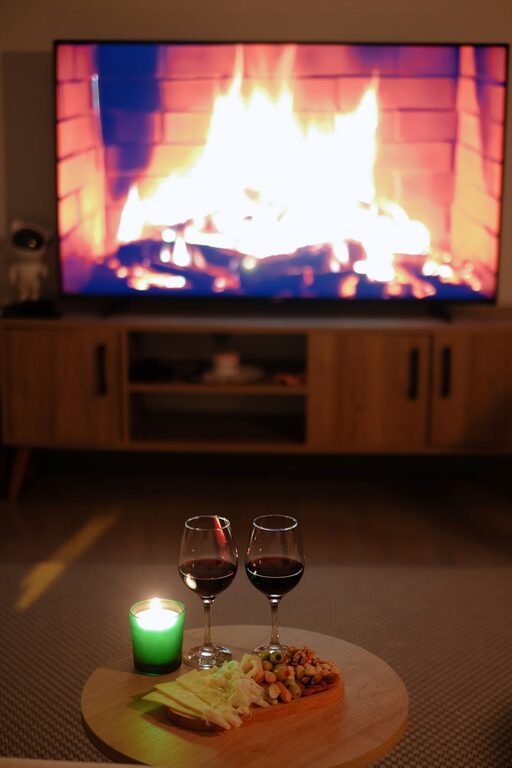
Planning a screen-light evening can be a wonderful way to unwind after a busy day. Whether you’re catching up on your favorite shows, reading on a tablet, or having a video chat with friends, the way you set up your environment influences not only your comfort but also your overall well-being. In this guide, we’ll walk you through the steps to create a screen-light evening that’s both cozy and mindful of your eyes and mood.
Why Plan a Screen-Light Evening?
Screens are part of our daily lives, often used during the evening to entertain or connect. However, the light they emit can sometimes cause eye strain or disrupt sleep patterns if not managed well. Planning a thoughtful screen-light evening can help you enjoy your digital activities without negative effects, making your time more relaxing and fulfilling.
Step 1: Choose Your Activities
Before you start, decide what kind of screen time you want:
– Streaming movies or TV shows: Great for relaxing, but consider shorter episodes or films to avoid staying up too late.
– Reading eBooks or articles: Perfect for winding down, especially with apps that allow customized lighting.
– Gaming: Engaging, but can be stimulating, so plan accordingly.
– Video calls: Social and interactive, a nice way to connect without leaving home.
Choosing your activities helps determine the best lighting and setup.
Step 2: Set Up Ambient Lighting
Harsh or overly bright overhead lights can cause discomfort when combined with screen use. Aim for a soft, ambient glow that reduces contrast between your screen and the surrounding environment.
– Use warm, dimmable lamps instead of bright white bulbs.
– Consider bias lighting—a soft light placed behind your screen—to lessen eye strain.
– Avoid direct reflections on your screen by positioning lights appropriately.
This setup helps your eyes adjust smoothly and reduces fatigue.
Step 3: Optimize Screen Settings
Making your screen friendlier for evening use is a key part of planning.
– Enable night mode or blue light filters on devices to reduce exposure to disruptive blue wavelengths.
– Adjust brightness to match your room’s lighting—neither too bright nor too dim.
– Increase font sizes or contrast if you plan to read extensively, reducing eye strain.
These settings contribute to a more comfortable experience and support better sleep later.
Step 4: Create a Comfortable Seating Area
Comfort is crucial for enjoying a screen-light evening.
– Choose a chair or couch that supports good posture.
– Have soft cushions or blankets handy to enhance coziness.
– Arrange your seating to avoid glare and maintain a good viewing angle.
This physical comfort keeps your focus on relaxation rather than discomfort.
Step 5: Plan Breaks and Eye Exercises
Extended screen time can be tiring, so build in short breaks.
– Follow the 20-20-20 rule: every 20 minutes, look at something 20 feet away for 20 seconds.
– Use breaks to stretch, change position, or even zone out with a non-screen activity.
– Drink water to stay hydrated and refresh your body.
These habits protect your eyes and body during longer screen sessions.
Step 6: Combine Screen Time with Relaxation Habits
To enhance the evening vibe, add other soothing elements:
– Play gentle background music during quieter screen activities.
– Have a warm drink like herbal tea nearby.
– Use aromatherapy with calming scents such as lavender.
These touches make your screen-light evening a well-rounded, relaxing ritual.
Step 7: Wind Down Before Bed
After your screen time, help your mind and body prepare for restful sleep.
– Turn off or dim screens at least 30 minutes before bedtime.
– Consider reading a physical book or practicing mindfulness.
– Keep your bedroom cool and dark to promote deep sleep.
Following this routine supports healthy sleep hygiene and leaves you refreshed for the next day.
—
Final Thoughts
A well-planned screen-light evening blends technology with comfort and self-care. By adjusting your lighting, screen settings, seating, and including mindful breaks, you can enjoy digital leisure without the common side effects like eye strain or disrupted sleep. Try these tips to make your evenings both enjoyable and healthy.
Remember, the key is balance: screens can be part of your relaxation, but how you use them makes all the difference. Happy screen-light evenings!