
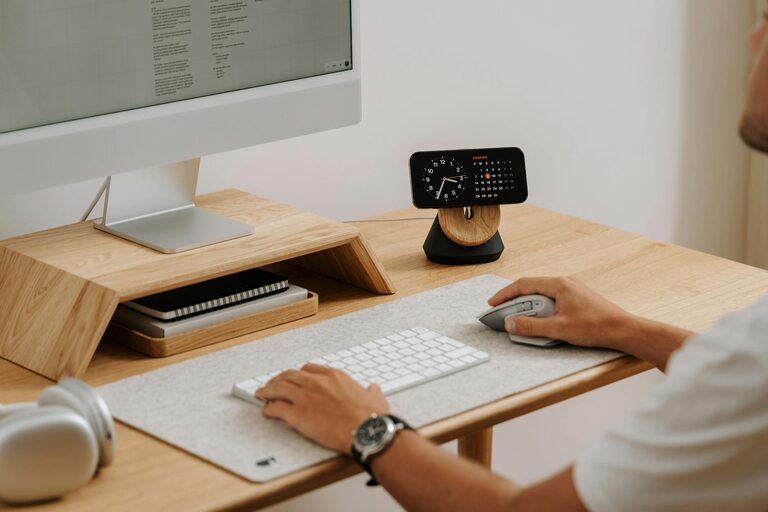
Working from home offers many benefits, such as flexibility and comfort, but it also comes with unique challenges. One of the most common struggles is maintaining focus throughout the workday. Distractions, blurred boundaries between work and personal life, and lack of routine can all impact your productivity. Fortunately, there are several effective strategies you can use to boost your focus and make your home workspace more productive.
Create a Dedicated Workspace
Having a specific area in your home dedicated to work helps your brain associate that space with productivity. Ideally, choose a quiet spot with good lighting and minimal distractions.
– Use a comfortable chair and desk set up to promote good posture.
– Keep your workspace tidy and organized to reduce clutter-related distractions.
– If possible, separate this area from common living spaces to maintain clear boundaries.
Establish a Consistent Routine
Routine plays a key role in maintaining focus. When your mind knows what to expect, it’s easier to settle into a productive rhythm.
– Start your workday at the same time each day.
– Include a morning routine that helps you transition from home to work mode, such as a short walk or coffee.
– Set specific work hours and stick to them to create clear limits between work and personal time.
Prioritize Tasks with a To-Do List
Planning your day with a to-do list helps you focus on important tasks and prevents you from feeling overwhelmed.
– Break down larger projects into smaller, manageable tasks.
– Use tools like digital planners, apps, or a simple notebook.
– Prioritize tasks by urgency and importance to stay on track.
Minimize Digital Distractions
Phones, social media, and email notifications can easily pull your attention away.
– Turn off non-essential notifications during work hours.
– Use apps or browser extensions that block distracting websites temporarily.
– Schedule specific times to check emails and messages, rather than responding constantly.
Take Regular Breaks
Taking short breaks helps refresh your mind and prevent burnout.
– Follow techniques like the Pomodoro Technique: work for 25 minutes, then take a 5-minute break.
– During breaks, stretch, hydrate, or take a short walk.
– Avoid using break time for screen-based activities, as this may not provide true rest.
Stay Physically Active
Physical activity improves brain function and concentration.
– Incorporate light exercises or stretching during breaks.
– Consider walking or biking as part of your commute, even if it’s just around your home.
– Set reminders to avoid sitting for extended periods.
Practice Mindfulness and Focus Techniques
Mindfulness can improve your ability to concentrate and manage stress.
– Try simple breathing exercises to reset focus when you feel distracted.
– Use apps that guide meditation or mindfulness sessions.
– Practice techniques like focusing on one task at a time instead of multitasking.
Communicate Boundaries with Others
If you share your home with family or roommates, clear communication helps reduce interruptions.
– Set expectations about your work hours and availability.
– Use indicators like a closed door or headphones to signal you shouldn’t be disturbed.
– Discuss ways to handle urgent interruptions outside work hours.
Optimize Your Work Environment
Small changes to your environment can make a big difference in your ability to focus.
– Ensure adequate lighting that reduces eye strain.
– Control noise levels with noise-cancelling headphones or background music.
– Keep necessary supplies within reach to avoid unnecessary breaks.
Review and Adjust Regularly
What works for one person may not work for another. Reflect on your productivity regularly.
– At the end of each week, assess which strategies helped and which didn’t.
– Be willing to adjust your routine and workspace as needed.
– Celebrate your progress to stay motivated.
—
Working from home doesn’t have to mean sacrificing focus. By creating the right environment, establishing routines, and managing distractions, you can enjoy the benefits of remote work without losing productivity. Try integrating these tips into your daily routine and watch your concentration and output improve.